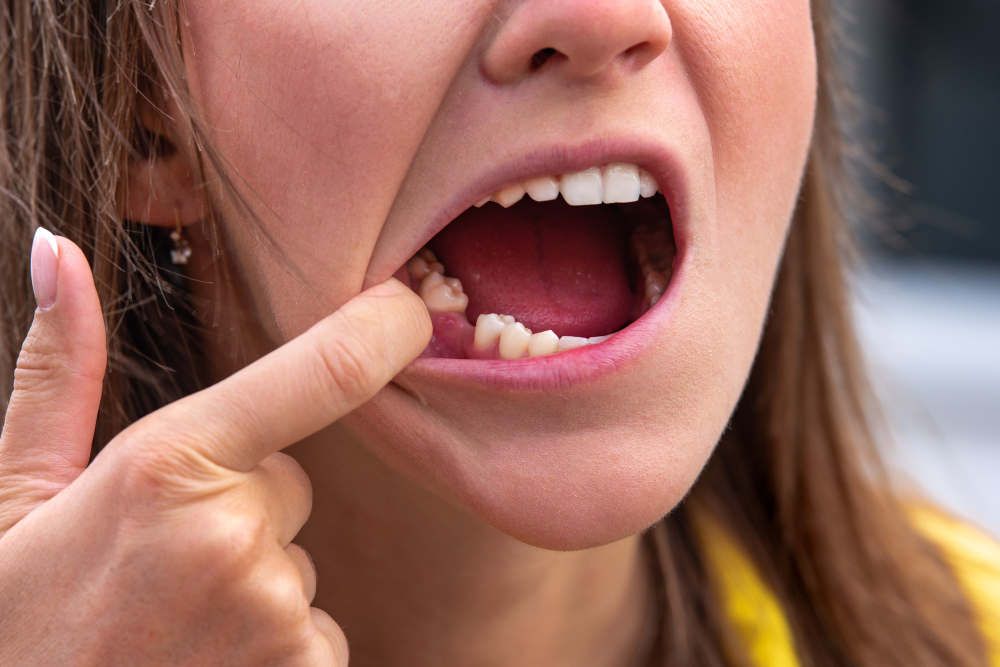
Many people do not realize the danger of missing teeth. When you lose a tooth, it can lead to bone loss in your jaw. This bone loss can affect your smile, your health, and even the shape of your face. Understanding why bone loss happens after tooth loss is important. It helps you make better choices for your oral health. In this blog, you will learn what happens when you lose a tooth, why bone loss occurs, and how you can stop it.
What Happens When You Lose a Tooth?
When you lose a tooth, several changes start in your mouth. First, the gap left by the missing tooth can cause nearby teeth to move. This movement can make it harder to chew food. Also, it may change the way your teeth fit together. Over time, the bone that once supported the tooth begins to shrink. This process is called bone resorption. As a result, your jawbone becomes weaker. For many people, these changes happen slowly, but they can have lasting effects.
Why Does Bone Loss Occur After Tooth Loss?
After a tooth is lost, the jawbone no longer gets the pressure it needs from chewing. Normally, chewing sends signals to the bone, telling it to stay strong. Without a tooth, these signals stop. Because of this, the bone starts to break down. This is why preventing bone loss after tooth loss is so important. If you do not act quickly, bone loss can become severe. According to the CDC, bone loss can begin within months after losing a tooth.
Health Risks Linked to Missing Teeth and Bone Loss
Missing teeth and bone loss can lead to several health problems. For example, you may have trouble eating certain foods. This can make it hard to get the nutrition you need. In addition, bone loss can change your face shape, making you look older. Other risks include:
Because of these risks, it is important to address missing teeth as soon as possible.
How to Prevent Bone Loss After Losing a Tooth
There are steps you can take to prevent bone loss after tooth loss. First, act quickly if you lose a tooth. The sooner you seek help, the better your chances of saving your jawbone. Here are some ways to help prevent bone loss:
In many cases, your dentist can suggest the best way to protect your bone health. If you are unsure, find a dentist near you for advice.
Treatment Options to Stop or Reverse Bone Loss
Thankfully, there are several treatment options to stop or even reverse bone loss. Dental implants are one of the most effective solutions. They act like natural tooth roots and help keep your jawbone strong. Other options include:
Each treatment has its own benefits. However, dental implants for bone loss are often the best choice for long-term health. Your dentist will help you choose the right option for your needs.
Tips for Maintaining Oral Health After Tooth Loss
Even after losing a tooth, you can keep your mouth healthy. Here are some simple tips:
By following these steps, you can protect your gums and remaining teeth. In addition, you lower your risk of further bone loss.
In summary, missing teeth can lead to serious bone loss and other health problems. But you can take action to prevent these issues. Consult a dental specialist at Lahotis dental to discuss the best options for your oral health.