What is Malocclusion?
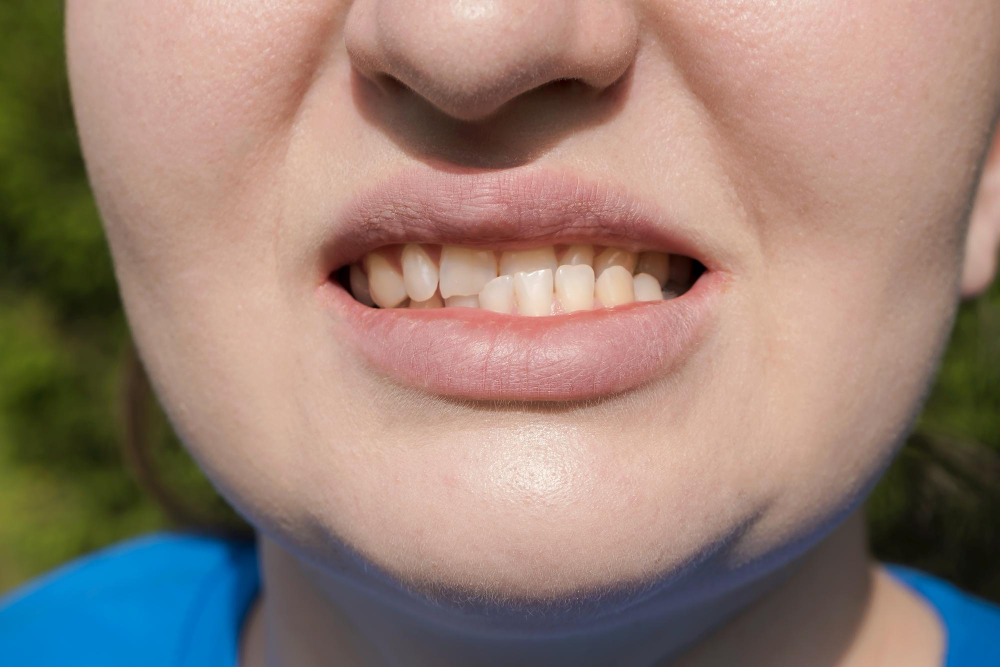
Malocclusion is a dental term for teeth that do not fit together properly. In other words, it means your upper and lower teeth are not aligned when you bite. This condition can affect both children and adults. Because malocclusion can lead to problems with chewing, speaking, and cleaning your teeth, it is important to understand its causes and treatments. Many people have some degree of malocclusion, but not all cases need treatment.
Causes of Malocclusion
There are several reasons why malocclusion can develop. Sometimes, it is inherited from parents. Other times, habits or injuries can cause it. For example, early loss of baby teeth or thumb sucking can affect tooth alignment. Here are some common causes:
Because these factors can start early in life, regular dental checkups are important for children.
Common Symptoms
Malocclusion symptoms can vary from mild to severe. Some people may not notice any problems, while others may have discomfort or visible changes. For example, you might see crooked or crowded teeth. Here are some signs to watch for:
Although some symptoms are mild, others can affect daily life. Therefore, it is important to seek dental advice if you notice these signs.
How Malocclusion is Diagnosed
Dentists can diagnose malocclusion during a routine dental exam. First, they will look at how your teeth fit together when you bite. Next, they may take X-rays to see the position of your teeth and jaw. Sometimes, dentists use dental impressions to make a model of your mouth. This helps them plan the best treatment. Early diagnosis can prevent more serious problems later on.
Treatment Options
Malocclusion treatment options depend on your age and the severity of the problem. For mild cases, no treatment may be needed. However, moderate or severe cases often require dental care. Here are some common treatments:
Because each person is different, your dentist will suggest the best option for you. In many cases, early treatment in children can prevent more complex issues later.
Prevention and Oral Health Tips
While not all cases of malocclusion can be prevented, good oral habits can help. For instance, regular dental visits can catch problems early. Here are some tips to keep your teeth healthy:
Because prevention is easier than treatment, these steps can help protect your smile.
When to See a Dentist
If you or your child have crooked teeth, trouble chewing, or jaw pain, it is time to see a dentist. Early visits can help spot malocclusion before it gets worse. In addition, if you notice changes in your bite or facial shape, make an appointment. Dentists can offer advice and treatment options for malocclusion near you.
For personalized advice on malocclusion and oral health, consult a dentist at Lahotis Dental. Early care can make a big difference in your dental health.