Introduction
Snoring and sleep apnea are common sleep problems. Snoring happens when air cannot move freely through your nose and throat during sleep. Sleep apnea is a more serious condition where breathing stops and starts many times at night. Both can harm your oral health, especially your gums. In fact, studies show a link between oral health and sleep apnea. Gum disease risk from snoring is higher, and dentistry and sleep disorders are closely connected. Understanding this link can help you protect your gums and overall health.
What Are Snoring and Sleep Apnea?
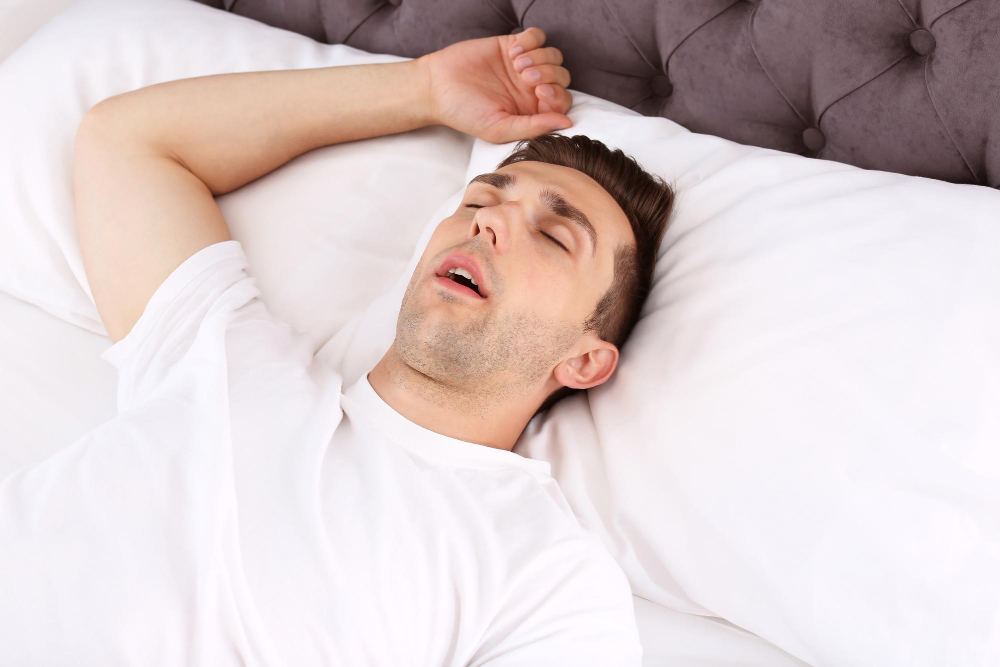
Snoring is the sound made when air flows past relaxed tissues in your throat. This causes the tissues to vibrate as you breathe. Many people snore sometimes, but loud or frequent snoring can be a sign of a problem.
On the other hand, sleep apnea is a condition where your breathing stops for short periods during sleep. These pauses can last a few seconds or even longer. As a result, your body and brain may not get enough oxygen. There are two main types:
Both conditions can affect your health in many ways, including your gums.
How Do Snoring and Sleep Apnea Affect Your Gums?
Snoring and sleep apnea can dry out your mouth. When you breathe through your mouth at night, saliva dries up. Saliva helps protect your gums and teeth. Without enough saliva, bacteria can grow more easily. This can lead to gum disease and tooth decay.
Moreover, people with sleep apnea often have higher levels of inflammation in their bodies. This inflammation can make gum problems worse. In some cases, gum disease can also make sleep apnea symptoms worse. Therefore, taking care of your gums is important if you snore or have sleep apnea.
Common Symptoms and Warning Signs
It is important to know the signs of gum problems linked to snoring and sleep apnea. Watch for these symptoms:
If you notice these signs, it is wise to talk to a dentist or sleep specialist.
Diagnosis: When to See a Dentist or Sleep Specialist
Early diagnosis can help prevent serious problems. If you snore often or have signs of gum disease, see a dentist. Dentists can check your gums and look for signs of dry mouth or infection. They may also ask about your sleep habits.
In addition, if you have symptoms of sleep apnea, such as loud snoring or daytime sleepiness, a sleep specialist can help. They may suggest a sleep study to check your breathing at night. Sometimes, dentists and sleep doctors work together to find the best care for you.
Treatment Options for Protecting Gum Health
There are several ways to protect your gums if you have snoring or sleep apnea. Treatment depends on your symptoms and needs. Some common options include:
Your dentist or sleep specialist can help you choose the right treatment.
Lifestyle Tips for Healthy Gums with Sleep Disorders
Simple lifestyle changes can make a big difference. Here are some tips:
By following these steps, you can help protect your gums and improve your sleep.
Prevention: Reducing Gum Risks from Snoring and Sleep Apnea
Preventing gum problems starts with good oral care and healthy sleep habits. For example, keeping your mouth clean helps lower the risk of gum disease. In addition, treating snoring and sleep apnea early can stop problems before they start.
Here are some ways to prevent gum risks:
Conclusion
Snoring and sleep apnea can contribute to mouth breathing, dry mouth, and reduced saliva flow, which may increase the risk of gum irritation and other oral health problems. Addressing both sleep and dental concerns can help support better overall health and a healthier smile.
CTA:
For expert dental evaluation and personalized oral care, consult the specialists at Lahotis Dental today.